Jacob Ikezawa
mechanical engineering — portfolio



LV Battery System
JACOB IKEZAWA
FORMULA SAE - LOW VOLTAGE ARCHITECTURE

HOW
-
Powers the low-voltage architecture of the Formula SAE race car.
-
Loads include 9 custom PCBAs, an Nvidia Jetson, cooling pumps and fans, LiDAR, and the steering motor.

WHAT
-
Built the LV load case for a new driverless system by averaging each component's power use from driving test data.
-
Designed and validated the battery structure with physical testing and FEA.

RESULTS
-
40% volume reduction, achieved by validating the structural design and packaging solutions, despite a 33% increase in LV load from driverless systems.
-
Supported the LV system through competition in Michigan and Germany.
VALIDATION & MANUFACTURING


Experimental Projectile
JACOB IKEZAWA
RAM LAB - UNIVERSITY OF WASHINGTON

HOW
-
Experimental projectiles were canting in operation and causing system damage.
-
The lab needed a new geometry that would be self-aligning.

WHAT
-
CNC lathed an experimental geometry from polycarbonate to test the solution.
-
Optimized the aluminum design with FEA to to bring my design that had a 60% increase in volume to only have a 10% mass increase.

RESULTS
-
Created the manufacturing drawings sent to the supplier.
-
30 units of my design were ordered and received for experimentation.
-
29 successful experiments.
VALIDATION & MANUFACTURING
Projectile Assymbly
Calculations to Verify FEA Sim
Projectile Assymbly Drawing


ANSYS FEA For Optimization

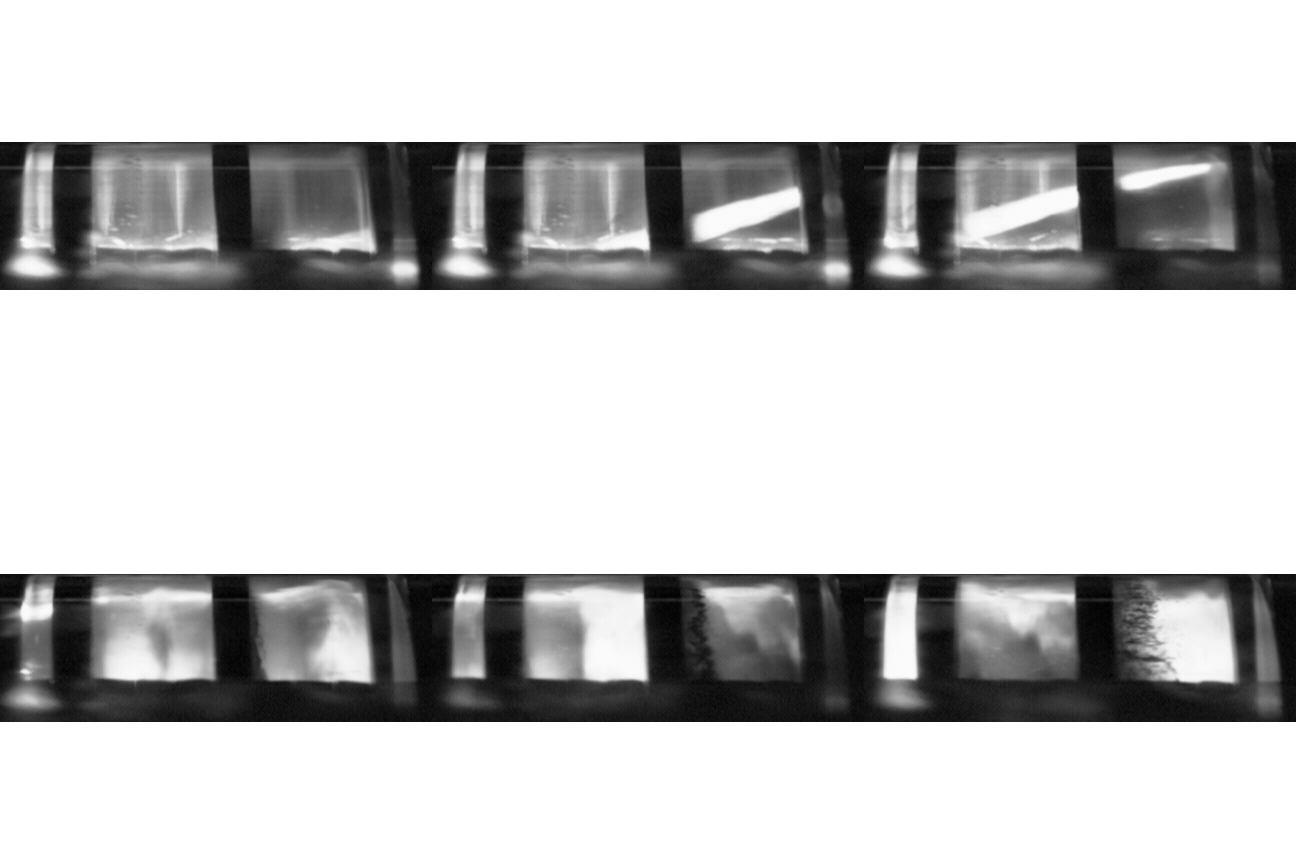
High-speed footage of the test polycarbonate projectile
HV Performance Battery
JACOB IKEZAWA
FSAE - PROJECT IN PROGRESS
WHAT
540 V battery to power an EV student Formula race car.
PERFORMANCE ENGINEERING
-
Built heat map plots in Python to analyze how changing parameters affects competition points.
-
Fitted vehicle simulation data with a cubic spline to analyze configurations at interpolated points.
-
Swept two scoring criteria together to visualize sim data against performance.
-
Fitted the simulated curve to real data anchors and swept it with mass to envelope an operating range.
-
Resulted in a new endurance race strategy that is based in a fundamental understanding of how we can score the most points despite not knowing how other teams will behave.


